Get a Quote
For Your Commercial Painting or Floor Coating Project!
Thank you! Your submission has been received!
Oops! Something went wrong while submitting the form.
X
Paint Finishes: Choosing the Right Option for Your Space
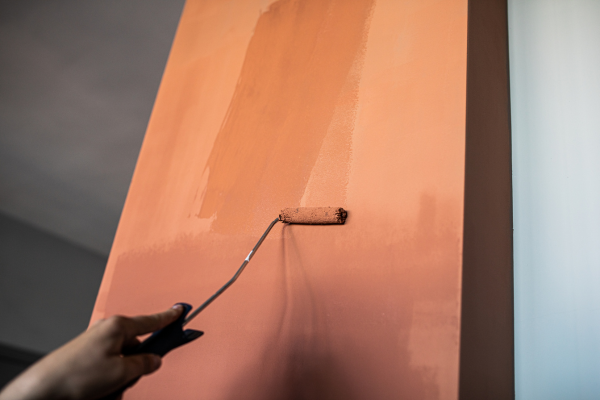
Selecting the right paint finishes is one of the most important decisions a commercial property manager can make during a painting project. While color often gets the most attention, paint finishes play a major role in durability, appearance, maintenance needs, and long term performance. The wrong finish can lead to visible wear, frequent touch ups, and higher costs over time. The right finish supports the function of the space while maintaining a clean and professional look.
This guide breaks down common paint finishes used in commercial properties, explains where each works best, and highlights key factors property managers should consider before making a final decision.
Why Paint Finishes Matter in Commercial Properties
Paint finishes affect more than how a wall looks under lighting. They influence how surfaces respond to daily use, cleaning routines, and environmental conditions. High traffic areas, moisture prone rooms, and professional spaces all place different demands on painted surfaces.
Commercial property managers often oversee offices, retail spaces, healthcare facilities, warehouses, and multi tenant buildings. Each environment requires paint finishes that can handle specific challenges such as frequent cleaning, scuff resistance, or glare control. Choosing correctly helps extend repaint cycles and protects the overall condition of the property.
Understanding Common Types of Paint Finishes
Paint finishes range from flat to high gloss. Each finish reflects light differently and offers varying levels of durability and cleanability.
Flat and Matte Paint Finishes
Flat and matte paint finishes have little to no sheen. They absorb light rather than reflect it, which helps hide surface imperfections like drywall seams or minor wall damage.
These paint finishes are commonly used in low traffic commercial areas such as private offices, conference rooms, and ceilings. They create a soft, uniform appearance that works well in professional settings where glare reduction is important.
However, flat and matte paint finishes are more difficult to clean and can show marks after repeated contact. They are not recommended for hallways, restrooms, or areas that require frequent cleaning.
Eggshell Paint Finishes
Eggshell paint finishes have a slight sheen that sits between flat and satin. They offer a balance between appearance and durability, making them a popular choice in commercial interiors.
These paint finishes are often used in office spaces, meeting rooms, and reception areas. They provide better resistance to scuffs than flat finishes while still minimizing surface flaws. Eggshell paint finishes are easier to maintain and can handle light cleaning without damaging the surface.
For property managers seeking a clean look without excessive shine, eggshell is often a reliable option.
Satin Paint Finishes
Satin paint finishes have a smooth appearance with noticeable sheen. They reflect more light and provide improved durability compared to eggshell finishes.
In commercial properties, satin paint finishes work well in corridors, classrooms, and shared office spaces. They stand up to frequent contact and can be cleaned more easily, which helps maintain a polished look in high use areas.
These paint finishes also perform well in spaces where lighting needs to feel bright and open without appearing glossy.
Semi Gloss Paint Finishes
Semi gloss paint finishes offer a higher level of sheen and durability. They reflect light clearly and resist moisture, stains, and repeated cleaning.
Commercial property managers often choose semi gloss paint finishes for restrooms, break rooms, stairwells, doors, trim, and utility spaces. These areas benefit from surfaces that can be wiped down regularly without degrading the paint.
While semi gloss paint finishes highlight surface imperfections more than lower sheen options, their strength and cleanability often outweigh aesthetic concerns in functional spaces.
High Gloss Paint Finishes
High gloss paint finishes have the most shine and the highest level of durability. They are extremely resistant to wear and easy to clean, making them suitable for specific commercial applications.
These paint finishes are typically used on doors, railings, cabinets, and accent features rather than full walls. High gloss surfaces reflect a significant amount of light and require precise surface preparation to avoid visible flaws.
For property managers, high gloss paint finishes are best used sparingly and strategically to avoid visual distraction while maximizing performance.
Key Factors to Consider When Choosing Paint Finishes
Selecting paint finishes should be based on more than appearance alone. Commercial environments demand careful evaluation of how each space is used.
Traffic Levels and Daily Use
High traffic areas experience constant contact from people, equipment, and furniture. Hallways, lobbies, and stairwells benefit from more durable paint finishes like satin or semi gloss. Low traffic areas can support flatter finishes that focus on visual comfort rather than strength.
Cleaning and Maintenance Requirements
Commercial properties often follow strict cleaning schedules. Paint finishes that tolerate frequent wiping and disinfecting help maintain standards without frequent repainting. Satin and semi gloss paint finishes typically perform best in spaces with routine cleaning.
Lighting Conditions
Lighting affects how paint finishes appear. High sheen finishes reflect more light and can brighten darker spaces. Lower sheen finishes reduce glare in offices or conference rooms with screens and presentation equipment. Matching paint finishes to lighting conditions improves both appearance and functionality.
Moisture and Humidity
Restrooms, kitchens, and utility rooms require paint finishes that resist moisture. Semi gloss and high gloss options perform well in these conditions and reduce the risk of peeling or staining.
Industry Specific Considerations for Commercial Properties
Different industries place unique demands on paint finishes. Understanding these needs helps property managers make informed choices.
Healthcare facilities often rely on durable paint finishes that support sanitation efforts. Educational buildings need finishes that withstand heavy use while maintaining a professional look. Retail spaces focus on appearance and lighting, often combining multiple paint finishes throughout the property. Industrial and warehouse settings prioritize durability and visibility over decorative appeal.
Working with an experienced commercial painting contractor helps align paint finishes with industry standards and property goals.
How Professional Application Impacts Paint Finish Performance
Even the best paint finishes can fail if applied incorrectly. Surface preparation, primer selection, and application technique all affect how a finish performs over time.
Professional commercial painters understand how different paint finishes behave and how to apply them correctly across large scale properties. Proper preparation helps reduce visible flaws, improves adhesion, and extends the life of the paint system.
For property managers, professional application reduces downtime, limits disruption to tenants, and delivers consistent results across all areas of the building.
Planning Long Term Value with Paint Finishes
Paint finishes influence maintenance budgets and long term planning. Choosing more durable finishes in high use areas can reduce repaint frequency and overall costs. Strategic use of lower sheen finishes in controlled spaces balances performance and appearance.
A thoughtful approach to paint finishes supports property value, tenant satisfaction, and operational efficiency. It also helps property managers avoid premature repainting caused by surface damage or wear.
Work with PPD Painting for Your Commercial Project
PPD Painting works closely with commercial property managers to select paint finishes that meet functional needs and design goals. From office buildings to industrial facilities, their team understands how different environments impact paint performance.
By evaluating traffic patterns, cleaning requirements, and lighting conditions, PPD Painting helps property managers choose paint finishes that deliver lasting results. Their experience with commercial projects allows them to recommend solutions that balance durability, appearance, and cost.
If you are planning a commercial painting project or reviewing paint finishes for an existing property, contact PPD Painting to discuss your needs. Their team can help you select paint finishes that fit your space and deliver dependable long term performance.
FAQ
1. How does paint finish selection impact long-term maintenance costs in commercial spaces?
Paint finish directly affects how often surfaces need cleaning, touch-ups, or full repainting. Lower-sheen finishes may hide imperfections but tend to show marks and wear faster in high-traffic areas, while higher-sheen finishes are easier to clean and hold up longer, reducing maintenance frequency and overall costs.
2. Why is choosing the wrong paint finish more costly than choosing the wrong color?
Color is mostly a visual preference, but finish affects performance. The wrong finish can lead to scuffing, staining, or moisture damage, especially in high-use or moisture-prone areas. This often results in early repainting or repairs, which drives up costs over time.
3. How should paint finishes be selected based on how a space is used?
Paint finishes should match the function of the space. High-traffic areas, restrooms, and commercial kitchens require more durable, washable finishes. Low-traffic spaces like offices or conference rooms can use lower-sheen finishes that focus more on appearance and light control.
4. What role does light reflection play when selecting a paint finish?
Paint finishes vary in how much light they reflect, which impacts both appearance and usability. Higher-gloss finishes reflect more light and can highlight details but may also show surface flaws. Lower-sheen finishes absorb light, helping create a more uniform look and reduce glare in professional environments.
5. Can using multiple paint finishes in one property improve performance and appearance?
Yes, many commercial properties use different finishes across spaces. For example, lower-sheen finishes may be used in offices to reduce glare, while higher-sheen finishes are used in hallways or restrooms for durability and cleanability. This approach helps balance appearance with long-term performance.
About The Author

Aaron Moore
Aaron Moore is at the forefront of PPD Painting, bringing a fresh perspective and a commitment to excellence in the painting industry. With a keen eye for detail and a passion for transforming spaces, Aaron has led PPD Painting to become a trusted name in commercial and residential painting services. His approach is centered around quality, customer satisfaction, and the use of environmentally friendly paints and processes. PPD Painting is committed to not just meeting, but exceeding client expectations, offering guidance on color selection, maintenance, and the latest trends in paint technology and application.
Ratings & Reviews

"Lorem ipsum dolor sit amet, consectetur adipiscing elit. Suspendisse varius enim in eros elementum tristique. Duis cursus, mi quis viverra ornare, eros dolor interdum nulla, ut commodo diam libero vitae erat."

Name Surname
Position, Company name


Really like this service. Great pricing
Alex Wong
Well, nothing in this life seems to be perfect, but Precision Painting is nearly there.
Karen Fenyn
Very responsive. Quality work. Helpful staff!
David Wilson
Work was great. Professionally completed job. Workers were great and a pleasure thru the mess.
Kathie
Exceptional work! Ricardo did a great job. The office staff and project manager as well as Aaron were all very helpful and accommodating.
Marikay Artner
On time, professional, pleasant, hard working and thorough job.
Maura Cullen
You came here and gave us the estimate when you said you would. Your project leader was polite and on time.Your crew was here on time, they were polite and got to work right away and did a good job. The job was completed when you said it would be finished.
Joe Lambert
Very detailed, quality work, responsive, prompt, pleasant to work with.
Kurt Nitschke
First time using, but very pleased with everything. Great crew did a great job, reasonable pricing, flexible hours with minimal effect on our staff
Robert Wallace
You have experienced, professional painters who genuinely care about the quality of their work.
Ann R.
The crew was very professional and courteous.
Kim Baker
Bruno is doing a good job in his new roll as project manager and Sal is the best painter that leads the crews for Phonak work projects. I get them started and they take it from there with very little monitoring on my part. I also like the partial billing, the organizing of my paints and if possible a year end report on what we spent on patching and painting would be great.
Mike Moore
Excellent workmanship, I didn't have to check your work. Paul and Alfonso were polite, and conscientious and treated my house as if it was their own.
Rick Orna
Answered their phone promptly. Paint job was a perfect match. My customer was very pleased.
BRS
Paul is an excellent painter. He was very tidy and easy to work with. Paul did a great job matching the color of our front stain and his work is professional. Paul was on time and good at communicating. I would definitely recommend Precision Painting to a friend.
Tracy McCarville
Quality efficient work
Brent Alwood
Great Professional Work!!
James Kastanis
On time, good job, neat, good clean up
Joyce Helms
Friendly professional staff. Quick scheduling of both quote and job. Quality work at finish!
Amy Barger
On time, on budget with a high degree of quality.
Richard Dusing
Great painters did a thorough and complete job. Staff was commenting on how good they were.
John Pena
The crew did an unbelievable job on our home.
Brian Germain
By far the best team I have worked with on home improvements -- I'd describe them as professional, timely, courteous, talented, and fun!
Kevin Slattery
They were extremely professional, organized and finished the job in half the time! Highly recommend their service again :)
Valentina Labovic
Very good execution and quality.
Bob Sanner
Great company; professional and courteous. It was clear the team knew how to do their job and took pride in doing it well. Very organized and efficient as well.
Pat Shaughnessy
Always prompt, professional, reasonably priced, great work, communicates well with you!
Mary Della Chiesa
Great job and extraordinarily kind gentlemen doing the work. Had the utmost respect for our home.
Eileen Daw
Great workers and very friendly.
John Pena
PPD was professional, prompt, clean and fairly priced. Recommend 100%!
Jack Dominy
Great experience from start to finish, from scheduling the estimate, work well done, polite & professional painters, cleaned up afterward
Christine Futrell
Professional, responsive, does great work!
Kurt Nitschke
Excellent service and quality work at a fair price....
Dan Abdo
You guys do great work, are reasonably priced, and stand behind your work and all your people are good to work with. I will mention that on the last few jobs I noticed a very slight slip in the finished quality, things like drips or missed spots. No big deal but something I don't expect from you guys.
Bernard Bartelli
Terrific and conscientious quality of work plus cleanup.
John Michie
Good job and very easy to work with!
Ilsa Conover
Great friendly staff and quality painting pros.
Christine Paulson
Good job Finished on time
Pat Rossi
The work was outstanding and the employees were amazingly courteous, professional and personable.
Eva Roby
Very nice job can’t wait til do the outside
Dennis Hansen
Inspiration Gallery


